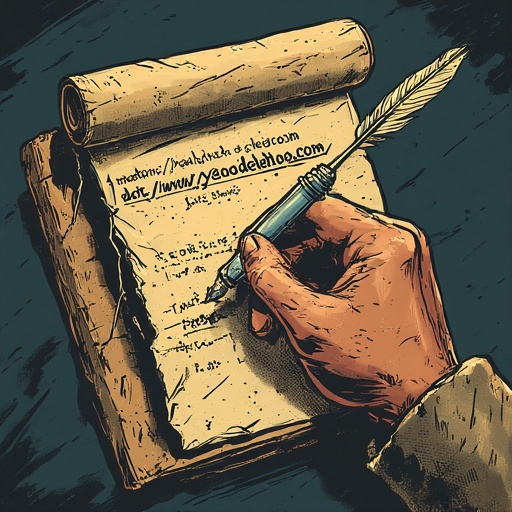
In the earliest age of the Internet, when the Web was young and its pages were few, there existed no simple enchantment by which a person might seize the likeness of what appeared upon the glowing glass. Thus began the long and perilous age of manual screenshots.
Requests were written upon scrolls, borne by messengers through forests and fields, copied by monks of great patience, and returned only after weeks of travel and minor misalignment.
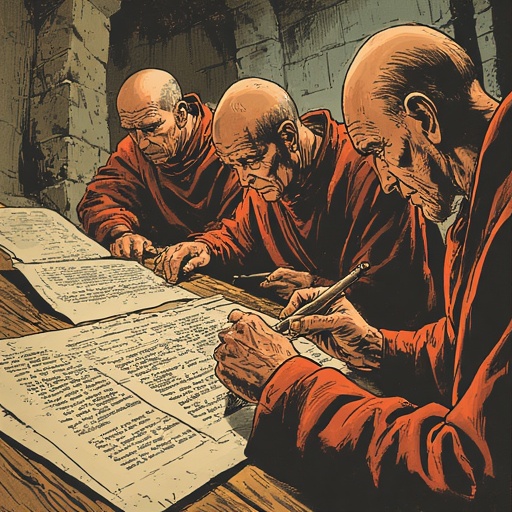
Upon receipt of each request, the monks of the Order of the Rendered Page would set to work transcribing the screenshot by hand. Pixel by pixel, stroke by stroke, they labored in candlelit scriptoriums, squinting at the glowing glass and reproducing its likeness upon the finest vellum.
It was tedious, sacred work. A single homepage could take a fortnight. A page with a carousel, considerably longer.

Though noble, this process was slow, vulnerable to spying eyes, and entirely dependent upon horses that frequently required rest, oats, and emotional reassurance. Many a screenshot was delayed, smudged, or mildly incorrect.
And so the people waited—until the age of improvement dawned.

In time, a great advancement arose, known throughout the land as WebSnapz. First among its reforms was the securing of request scrolls with heavy wax seals, pressed firm to ensure that no prying eye might glimpse the sacred web address before its appointed rendering.
Thus protected, the request traveled without fear of tampering, gossip, or unauthorized marginal notes.
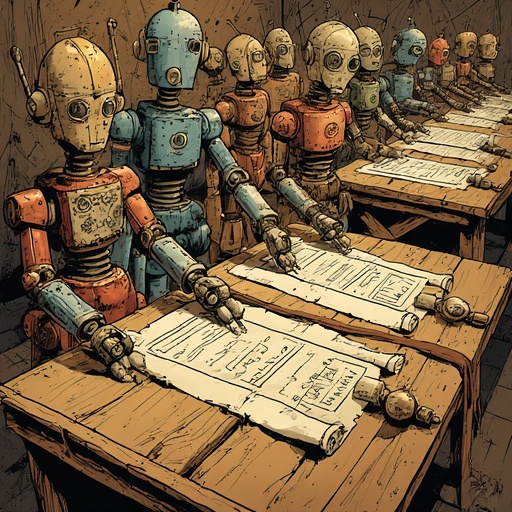
Next, the monks were honorably retired and replaced with wondrous mechanized scribes—robots fashioned from the finest forest woods and tempered steel. These tireless constructs neither slept nor complained, and their hands moved with flawless precision.
Where once ink smudged and margins wavered, the wooden automatons produced screenshots of remarkable fidelity, page after page, without a single sigh.
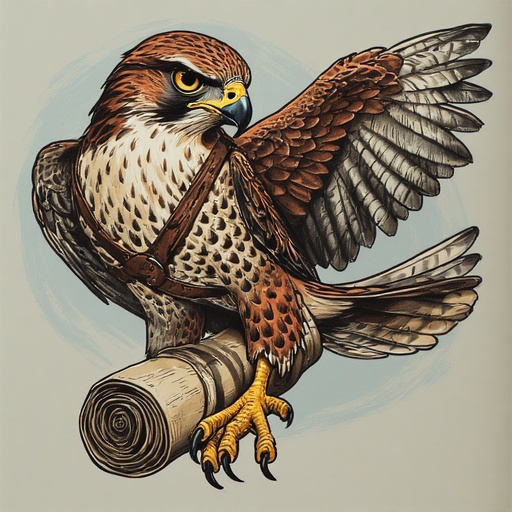
Most miraculous of all was the replacement of messengers and horseback riders with swift carrier falcons. These noble birds, trained in the arts of delivery, bore requests and responses through the skies at unheard-of speeds.
Forests, rivers, and toll bridges were rendered meaningless, for the falcons flew above all obstacles, arriving before the ink of the request had fully dried.
The completed screenshot, rendered by wood-and-steel hands and sealed with wax, was returned by falcon to the requester. The document arrived swiftly, securely, and—most astonishing of all—properly aligned. Thus did WebSnapz usher in a new age, where screenshots were captured not by months of toil, but by ingenuity, automation, and exceptionally well-trained birds.
And lo, the falcons did eventually unionize, demanding no more than one hundred flights per hour and weekends off. The wooden scribes were upgraded to chromium, the parchment was cut to precisely 1280 by 720 units of the Royal Measure, and the wax seals were replaced with 256-bit enchantments of bewildering complexity.
Today, what once required a monastery, a stable, and a small army of emotionally needy horses can be accomplished with a single API call. The monks send their regards.
Here ends the improved chronicle,
wherein progress triumphed over parchment.